


Moving long distances can be both exciting and daunting. Whether you’re beginning a new chapter in a different city or just seeking a change of scenery, the thought of packing up your life and transporting it miles away can feel overwhelming. But don’t fret—finding the right moving company can greatly ease this process. With so many options available, knowing how to choose a reliable mover that fits your needs will save you time, money, and hassle. In this guide, we’ll explore essential tips for selecting the best long-distance movers near you, helping ensure that your transition to your new home is as smooth as possible.
To find the best long distance movers near you, consider researching and comparing customer reviews, ensuring the companies are licensed and insured, and looking for transparent pricing. Additionally, obtaining quotes from multiple movers will help you make an informed decision based on your specific relocation needs.
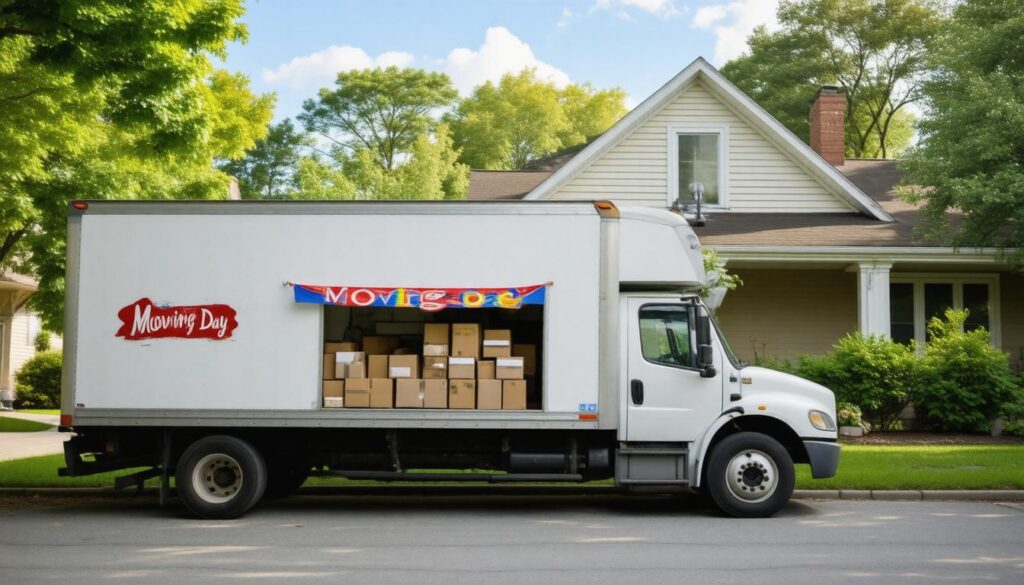
Top Long Distance Movers by Area
As you navigate the long-distance moving landscape, it’s essential to evaluate not just the well-known national companies but also regional movers that might cater to your area more effectively.
Nationally recognized companies, such as North American Van Lines and United Van Lines, provide robust networks and consistent service levels throughout the country, especially if you’re relocating from one state to another.
For example, North American Van Lines is particularly well-received due to its comprehensive tracking services and flexible pricing structures which adapt to different moving needs. United Van Lines stands out with its broad range of offerings, including full value protection for customers, ensuring peace of mind about their belongings during transit. Meanwhile, Mayflower Transit excels in handling both residential and corporate relocations and has established a strong reputation over many years.
Yet, while these national giants are reliable, they may not always provide the personalized experience you need for a local move.
Regional Choices May Suit Your Needs
Regional movers can offer services that feel more tailored to your situation. Take All My Sons Moving & Storage in the South, for instance; this company has built a solid reputation for reliability and customer service. Their local knowledge often translates into better logistics for Southern states, making them an appealing option if you’re moving within that region.
On the West Coast, Meathead Movers has gained recognition not only for their efficient service but also for their unique approach that emphasizes customer satisfaction through attentive care. In contrast, Gentle Giant Moving Company in the Northeast frequently comes highly recommended thanks to their dedication to respecting customers’ possessions and homes, ensuring that each move is executed with precision and care.
As you’re considering options, ensure you verify a company’s licensing and insurance through the Federal Motor Carrier Safety Administration (FMCSA). This step is crucial not only for peace of mind but also to ensure that you’re working with a legitimate service provider who adheres to industry standards.
By weighing both national and regional choices carefully, you will be well-equipped to choose the right assistance for your upcoming journey.
Evaluating Moving Companies
To make an informed choice, it’s important to gauge several factors. One of the first places you should start is with researching background and credentials. This includes verifying that the company is properly licensed to operate in your state and across state lines. The Federal Motor Carrier Safety Administration (FMCSA) maintains a comprehensive database where you can find a company’s USDOT number. By entering this number, you can access valuable information about their complaint history and operational status. This step not only confirms their legitimacy but also provides insights into how well they serve their customers.
As you dig deeper into your research, consider the power of reading reviews and testimonials from previous clients. Websites like Yelp, Better Business Bureau, and Google Reviews are treasure troves of customer feedback that offer valuable perspectives on various moving companies. Customer experiences vary widely; positive feedback often highlights efficiency and excellent service while negative reviews might point out delays or communication issues. For instance, Jane from Arizona shared her experience, saying, “I chose United Van Lines after reading numerous positive reviews and my move was seamless.” This emphasizes how important it is to take the time to read both good and bad reviews to get a balanced view. In fact, studies show that approximately 70% of negative moving experiences arise from poor communication and customer service, making transparency a key factor in your decision-making process.
After gathering insights from reviews, turn your attention to comparing services offered by different companies. Each moving company may provide varying levels of support—from basic transport to full-service options that include packing assistance, storage solutions, and even insurance options for your belongings. Understanding what each company offers can significantly impact both your convenience during the move and your budget. Full-service companies can handle every aspect of your move from A-to-Z, which is excellent if you’re busy or don’t want to deal with packing yourself. Conversely, choosing a la carte options allows you to save some money if you’re comfortable doing part of the work.
Carefully evaluating these elements will enhance your ability to choose a reliable mover who fits your specific needs. Given the potential stress that accompanies moving, selecting a trustworthy partner can lead to a smoother transition into your new home or office space.
As you weigh these considerations, keep in mind that understanding costs and obtaining accurate quotes plays a crucial role in making the best decision for your move.
Moving Costs and Accurate Quotes
When it comes to moving, knowing your costs upfront can save you from the gut-wrenching anxiety of unexpected charges later on. The key is in securing accurate quotes right from the start.
Requesting Binding Estimates
A critical step in this process is to always ask for a binding estimate. What does that mean? It means locking in a price that won’t change, regardless of the circumstances. This kind of estimate can protect you from surprise increases that might arise when the movers weigh your belongings or if they encounter unforeseen challenges along the way. For instance, Tom from Ohio shared his story about requesting a binding not-to-exceed estimate from Allied Van Lines, which ended up saving him over $500. Imagine how much more relaxing his moving day must have felt knowing exactly what he’d be paying!
Knowing What Influences Cost
Moving costs depend on several factors, such as distance, weight of your items, and extra services you may need like packing or storage. These variables can influence your final bill more than you might think. For example, according to the American Moving and Storage Association, the average cost of a long-distance move is around $4,900 over a distance of 1,000 miles. This figure serves as an important reference point but can vary based on specific situations like how many heavy items are included in your move or if you require specialized handling.
Timing the Move
Another factor that’s easy to overlook is timing. The time of year and even the day of the week you choose to move can sway your costs significantly.
Generally, summer months tend to be busier for moving companies due to better weather conditions and school schedules aligning with family moves. As a result, prices may spike during peak season. Conversely, opting for a winter move or scheduling it mid-week could lead to lower rates due to decreased demand. It’s worth considering these timing elements when planning your upcoming transition.
With this understanding of how moving costs can fluctuate based on various factors, it’s essential to also explore how different services can make your relocation smoother and stress-free.
Comprehensive Packing Services
Packing services can greatly alleviate the burden that comes with moving, especially over long distances. There are various options tailored to meet different needs and budgets. Understanding these choices can help you decide what fits best with your moving plan.
Full-Service Packing
Many moving companies offer full-service packing, where trained professionals handle everything from start to finish. This means they come equipped with all necessary packing materials, such as sturdy boxes, bubble wrap, and tape, saving you both time and effort. Imagine not having to worry about gathering supplies or meticulously wrapping each item—this service can drastically cut down on headaches associated with moving day. However, this convenience comes at a cost, so it’s important to weigh the benefits against your budget constraints.
As you consider full-service packing, think about how much time you have before the move and your tolerance for stress. If you’re juggling work, family obligations, or other responsibilities, investing in this service might be a wise choice even if it seems pricey upfront.
Fragile-Only Packing
For those who may not need a complete packing solution but still require a helping hand, fragile-only packing services can be an excellent option. These services focus on packing delicate items like glassware, electronics, or artwork that require special handling. This targeted approach not only saves costs but ensures that your most valuable possessions are packed securely.
As Maria from New York recalls, “I had Gentle Giant pack my collection of antique dishes. Everything arrived safely.” Her experience highlights the peace of mind that comes with entrusting fragile items to experienced professionals.
DIY Packing Tips
If you’re inclined to pack your belongings yourself to save on expenses, proper methods make a significant difference in ensuring items arrive in one piece. Start with sturdy boxes, preferably ones designed specifically for moving, as they’ll hold up better during transit compared to recycled ones. Also, label each box clearly with both its contents and the room it belongs in at your new home; this simple step will expedite unpacking later.
| Service | Pros | Cons |
|---|---|---|
| Full-Service | Saves time, reduces stress | More expensive |
| Fragile-Only | Ensures delicate items’ safety | Costs can still add up |
| DIY | Cost-effective | Time-consuming, potentially stressful |
Regardless of which method you choose, the goal is to make your transition as smooth as possible. Each option has its unique strengths and weaknesses but ultimately boils down to what works best for you and your circumstances. A thorough approach will set you up for a successful move into your new home.
Armed with the right packing strategy and resources, let’s now explore the essential tools and equipment that can further enhance your upcoming relocation experience.
Special Equipment for Your Move
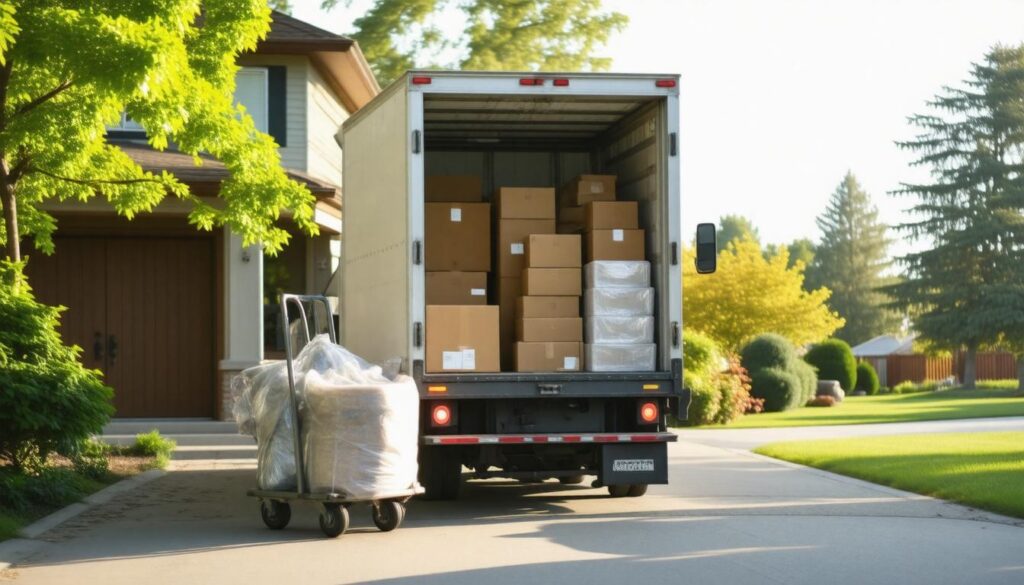
When it comes to moving, there isn’t a one-size-fits-all approach. The right equipment can make a world of difference, particularly when dealing with heavy or fragile items. For instance, think about that beloved grand piano; it’s not just a piece of furniture—it’s a cherished part of your life. Such items require specific equipment and techniques to handle properly so they can arrive at your new home without damage.
Liftgate Trucks and Hoisting Straps
Liftgate trucks are a game changer for transporting bulky items. These trucks come equipped with a hydraulic lift that allows moving heavy objects from the ground level to the truck bed easily and safely. While they tend to be pricier to rent, consider this: the cost is minimal compared to the potential risk of injury or damage to valuable possessions. You don’t want your prized possessions impacted by a simple oversight.
However, more than just liftgate trucks, using hoisting straps can really increase maneuverability in tricky situations like narrow hallways or tight doorways. Imagine trying to extract a massive couch from an apartment with winding stairs! Skilled operators can use these straps to help lift and pivot hefty items seamlessly into place.
Climate-Controlled Trucks
Now let’s talk about protection during transport. If you’re moving items sensitive to temperature fluctuations—like musical instruments, fine art, or certain electronics—climate-controlled trucks are essential. They maintain a consistent environment within the vehicle, shielding your valuables from damaging heat or cold. Many movers prioritize this option for specialized loads.
With these tools at their disposal, reputable moving companies can accommodate unique needs efficiently, giving you peace of mind while entrusting them with your treasured belongings. As you prepare for your upcoming relocation, understanding how the right equipment plays a pivotal role will set the stage for ensuring everything proceeds smoothly.
Tips for a Smooth Long Distance Move
Effective planning is the backbone of any successful long-distance move. Starting early—ideally at least two months in advance—will give you enough time to tackle unexpected challenges that may arise without feeling overwhelmed. The sooner you commit to planning, the smoother everything will flow; it’s like painting a wall: preparation makes all the difference between a masterpiece and a messy disaster.
Start Early
Seriously consider taking the initiative and blocking out time on your calendar specifically for moving tasks. Whether it’s researching movers, gathering packing supplies, or decluttering—having an organized plan saves you from the pressure of last-minute decisions that often lead to chaos.
Create an Inventory List
One vital tip is to create a detailed inventory list of all your belongings. Not only does this serve as an effective organizational tool during packing, but it also becomes invaluable when claiming insurance if something goes astray. By categorizing items room by room and noting their condition before packing them away, you transform a mundane task into an opportunity to reflect on what you truly need versus what may just be weighing you down.
This methodical approach pays off not just emotionally, but also financially, by potentially saving you unnecessary shipping costs associated with moving items you no longer use or need.
Notify Important Parties
Another key element involves notifying significant parties about your change of address. This includes utility companies, banks, subscription services, and the postal service. You might be surprised to learn that according to USPS statistics, a staggering 45 million address changes are processed annually! Such numbers highlight how common this step is, yet many people leave it until the last minute—a recipe for frustration once your mail starts going astray.
To make things even simpler, ledger out a timeline for notifying each entity so that nothing slips through the cracks.
Stress-Relief Techniques
As excited as moving can be, it’s equally common to feel overwhelmed amidst all the transitioning. Therefore, embracing stress-relief techniques during this hectic period can work wonders. Methods such as deep breathing exercises or mindfulness practices will help keep your focus sharp and your mind clear amid packing boxes and logistics.
Alison from California recalls how yoga kept her grounded while navigating her cross-country move: “The flexibility I gained allowed me to handle the myriad stresses effortlessly,” she shares. Simple moments dedicated to self-care could make all the difference either by starting or ending your day on an energetic note.
By focusing on these actionable tips during your preparation phase and planning thoroughly upfront, you not only ease the process but also set yourself up for success with your selected long-distance mover.
In summary, prioritizing organization and self-care during your move can significantly enhance your experience. Equip yourself with knowledge and strategies to navigate this transformative journey.